Ongoing dossier regarding access to payment services for coffeeshops — from the unilateral termination of debit card contracts by Worldline and the preliminary relief proceedings to the appeal, the Flach amendment on basic payment accounts, and discussions with banks and the Betaalvereniging (Dutch Payments Association).
On 20 November 2025, a large number of coffeeshop entrepreneurs received a letter from Worldline, unilaterally terminating their debit card contracts without individual assessment. Since approximately 80% of payments in the coffeeshop sector are made via debit card, an end to this service would immediately lead to operational problems, increased cash flows, and higher security risks. By quickly compiling documents and sending formal notices, a postponement was enforced until 31 March 2026 — even before legal action was taken.
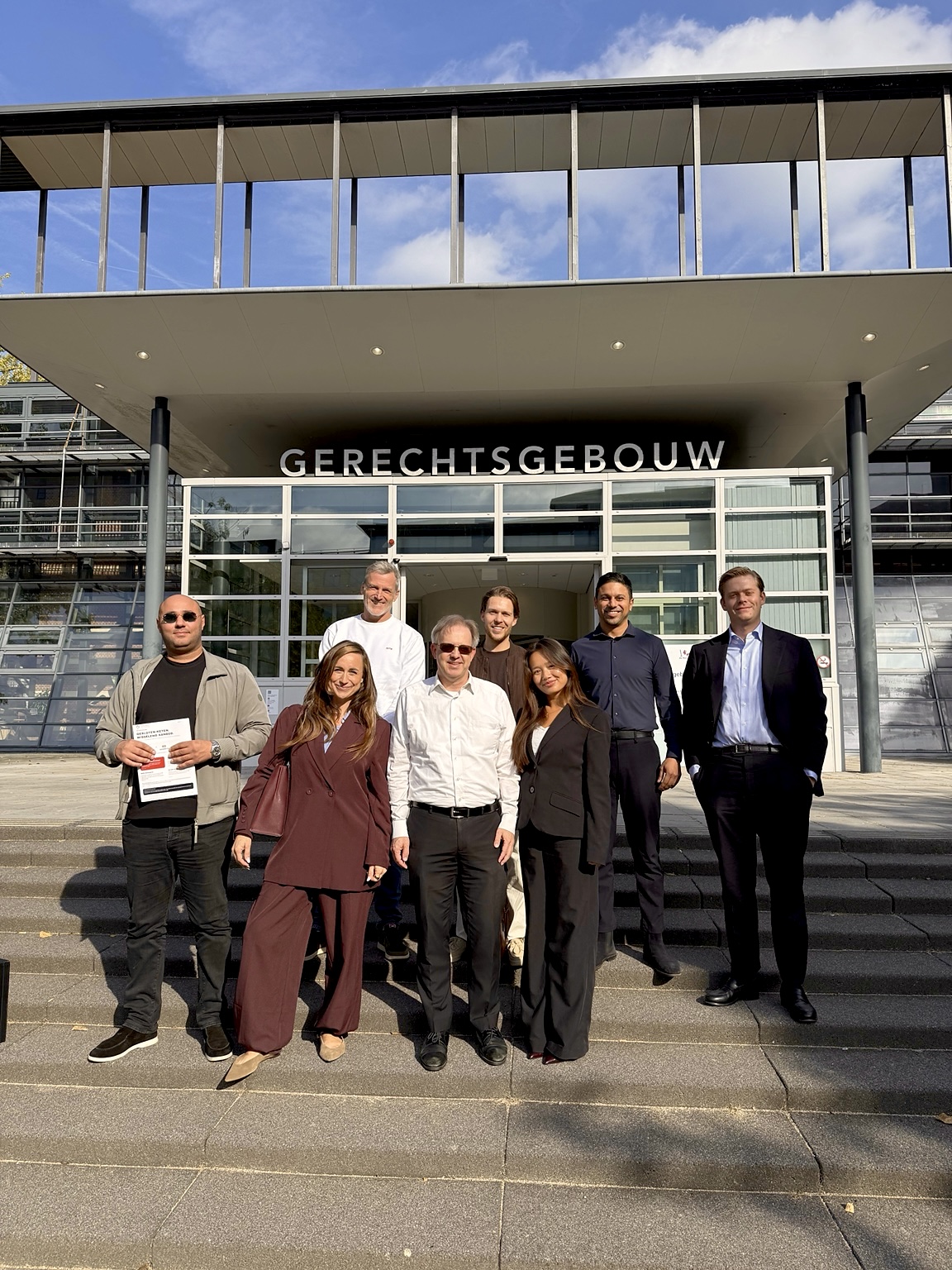
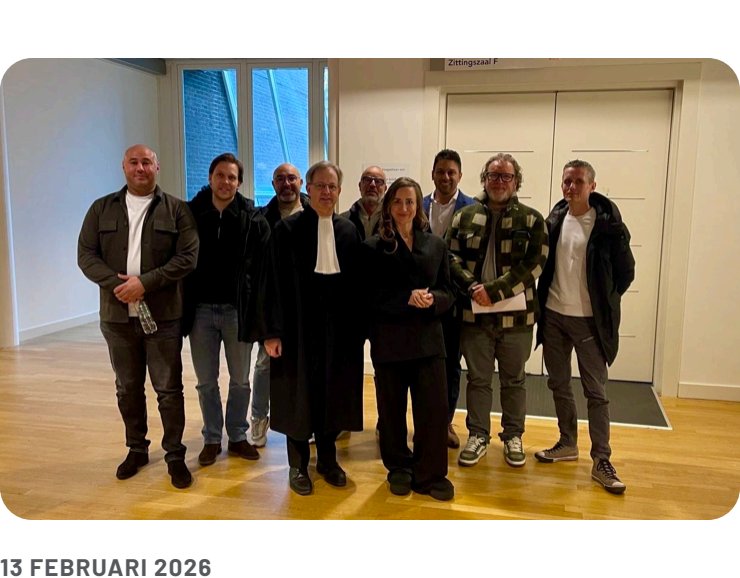
In the preliminary relief proceedings in March 2026, the preliminary relief judge in Utrecht ruled that Worldline occupies such a significant position in payment services that it must carefully consider the interests of its customers and was not permitted to terminate the contracts on the grounds cited. During the hearing, it emerged that the real reason was not reputational damage but a foreign partner bank; the claim that Dutch banks were unwilling to cooperate was refuted by the Bond van Cannabis Detaillisten (Association of Cannabis Retailers) — contact with Rabobank and ING revealed that they are indeed willing to facilitate debit card payments via intermediaries. "Coffeeshops must not be categorically excluded from essential payment services," I explained the ruling in the AD newspaper.
Worldline appealed and sent new termination notices; again, documents are being collected and formal notices sent. Furthermore, the Tweede Kamer (House of Representatives) adopted an amendement-Flach (Flach amendment) (SGP) that legally obliges banks to offer a basic payment account to every bona fide entrepreneur — a measure also relevant to the coffeeshop sector.
The ruling is an important recognition, but it does not resolve the underlying vulnerability. The dossier continues on multiple tracks: legal follow-up of the appeal, discussions with ABN AMRO, Rabobank, and ING, a round table via the Betaalvereniging (Dutch Payments Association) with payment providers and preferred suppliers, and political agenda-setting towards the Minister of Finance — also in view of the phasing out of V PAY and Maestro (by 2027 at the latest), which will make Dutch debit transactions entirely dependent on Visa Debit and Debit Mastercard.